









How Does Oral Health Affect Overall Health as I Age?
As we age, staying healthy means more than managing blood pressure, cholesterol, or mobility—it also means caring for our oral health. The mouth is not separate from the body, and growing evidence shows that oral health plays a critical role in whole‑body health, quality of life, and healthy aging.
That's why May—Older Americans Month—is an ideal time to highlight how caring for your teeth and gums supports independence, nutrition, confidence, and overall wellbeing as the years go by.
Older Americans Month: Championing Health at Every Age
Each May, the Administration for Community Living leads Older Americans Month, celebrating the contributions of older adults and emphasizing wellness, prevention, and independence. The 2026 theme—Champion Your Health—encourages proactive, preventive approaches to aging well, including oral health.1
Honoring Older Americans Month is a reminder that:
- Oral health is part of whole‑body health
- Prevention supports longevity and quality of life

Why Oral Health Becomes Especially Important With Age
Aging brings natural changes that can make the mouth more vulnerable to disease. These include:
- Reduced saliva flow
- Receding gums
- Long‑term wear on teeth and restorations
- Increased use of medications
- Chronic health conditions such as diabetes, arthritis, or heart disease
Together, these changes mean that oral problems are more common—but also more impactful—later in life. Poor oral health has been linked to frailty, functional decline, and increased risk of chronic disease in older adults.2-3
As we age, oral health impacts systemic health, nutrition, and quality of life.
- Systemic Health: Chronic oral inflammation adds to the body's overall inflammatory burden, which is particularly important as immune function changes with age. There is also a connection between oral disease with cardiovascular disease, type 2 diabetes, respiratory disease, chronic kidney disease, and cognitive decline.
- Nutrition: Healthy teeth and gums support proper chewing and swallowing, which are essential for maintaining a balanced diet. Poor oral health can limit food choices, reduce nutrient intake, and contribute to physical frailty.
- Quality of Life: Protecting oral health supports independence and dignity—key goals of healthy aging. Oral health can affect comfort when eating and speaking, social confidence, willingness to engage with others, and ability to maintain daily self‑care.3
Common Oral Health Concerns as We Age
1. Gum Disease (Periodontal Disease)
Nearly two‑thirds of adults over age 65 have some form of gum disease.4 Gum disease is driven by plaque‑induced inflammation and often progresses silently, without pain. If untreated, it can lead to tooth loss and contributes to systemic inflammation.
2. Dry Mouth (Xerostomia)
Many medications commonly used by older adults—such as those for blood pressure, allergies, depression, or chronic pain—reduce saliva flow. Saliva is essential for neutralizing acids and controlling bacteria, so dry mouth increases the risk of cavities and discomfort.
3. Cavities and Root Decay
Older adults are at higher risk for both coronal and root caries, especially when gums recede and expose softer root surfaces. Reduced saliva and plaque retention make daily prevention essential.
4. Tooth Loss and Denture Challenges
Missing teeth or poorly fitting dentures can affect chewing, speech, confidence, and food choice. Difficulty chewing often leads to softer, less nutritious diets, increasing the risk of malnutrition and weight loss (physical frailty).
5. Oral Cancer
The risk of oral and throat cancers increases with age. Regular dental visits are critical for early detection, when treatment is most effective.
Why Prevention Matters More Than Ever
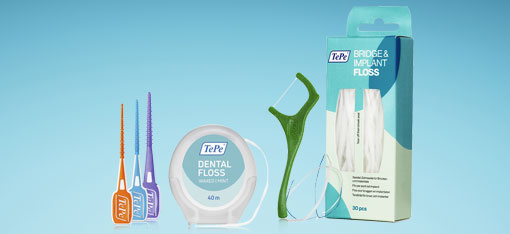
The good news is that many age‑related oral health issues are preventable or manageable with consistent care. It is important to brush twice a day, clean daily between the teeth, manage dry mouth, attend regular dental visits (even with dentures), and address small problems early.
Healthy teeth and gums support:
- Better nutrition
- Lower inflammation
- Reduced disease risk
- Greater comfort and confidence
- Ongoing independence
Daily plaque removal remains the cornerstone of prevention at every age—and becomes even more important as healing slows and health conditions accumulate.2
As we age, oral health becomes essential to whole‑body health, supporting nutrition, reducing inflammation and disease risk, preserving independence and confidence, and promoting healthy aging.
References:
- Administration for Community Living (ACL). Older Americans Month. Updated Mar 3, 2026. Available from: https://acl.gov/oam/older-americans-month
- American Dental Association (ADA). Aging and dental health. Updated Aug 24, 2023. Available from: https://www.ada.org/resources/ada-library/oral-health-topics/aging-and-dental-health
- Yu Y‑H. Oral health: integral component of overall health and important determinant of ageing. Lancet Healthy Longevity. 2024;5(11):100641. Available from: https://www.thelancet.com/journals/lanhl/article/PIIS2666-7568(24)00167-3/fulltext
- Centers for Disease Control and Prevention. (2024, May 15). About periodontal (gum) disease. https://www.cdc.gov/oral-health/about/gum-periodontal-disease.html
Leave a comment