





Myth Busting: “Always Rinse After Brushing”
For years, many of us were taught to brush, rinse, and go. It feels clean and refreshing, so it must be right… right? Not exactly.
Dental professionals are increasingly encouraging a different approach. Why? Because that final rinse may be washing away something your teeth need: active ingredients in your toothpaste, like fluoride.
❌ Myth: Always Rinse After Brushing
✅ The Truth: Try to wait at least 1 hour before rinsing, so that you allow the ingredients in your toothpaste time to fully work.
Toothpaste isn’t just for cleaning, it’s also delivering protective ingredients, for example, fluoride. Fluoride works by strengthening enamel and repairing early tooth damage.
When you rinse with water immediately after brushing, you dilute and wash away ingredients in your toothpaste before they’ve had time to fully work.
Evidence:
- Research shows that not rinsing (or only lightly rinsing) helps keep fluoride in your mouth longer, allowing it to continue protecting your teeth after you finish brushing.1
- Even the American Dental Association (ADA) suggests that if you do rinse, you should use only a small amount of water, or wait a bit before rinsing, to allow the fluoride to do its job.2
Why Order Matters: Interdental First, Brushing Last, & Rinsing Later
Now let’s take this a step further because how you build your oral care routine matters just as much as what you do.

First Step: Clean Between Your Teeth First
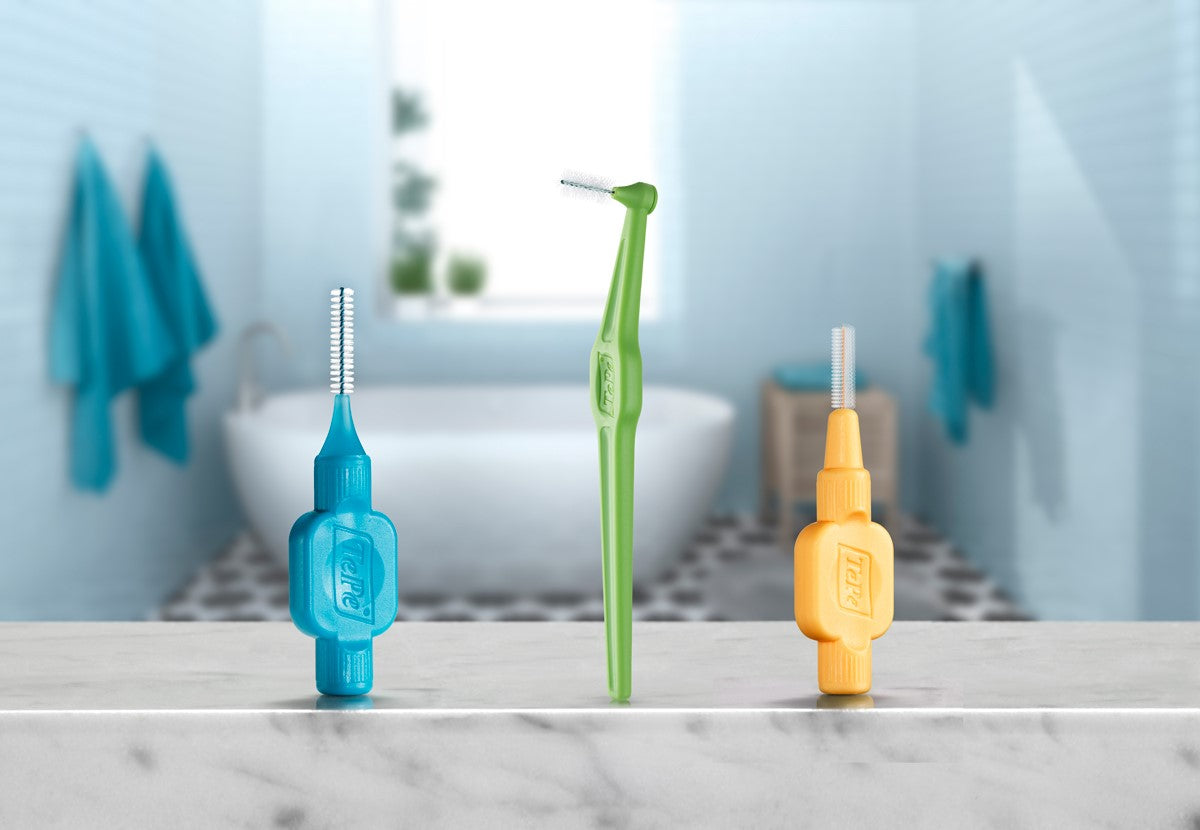
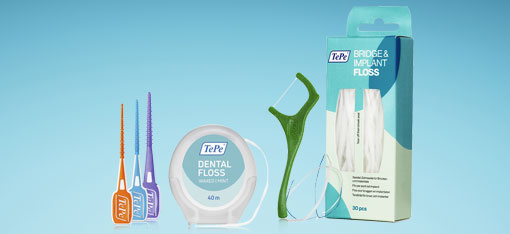
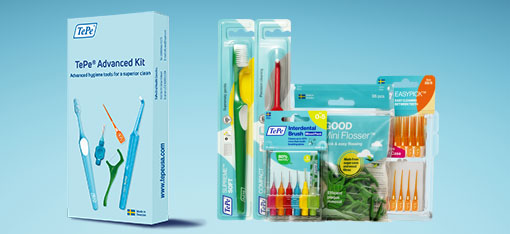
This includes floss, interdental brushes, or tools like TePe EasyPick™.
Why start here?
- You are more likely to continue with brushing, since it is a common habit.
- Toothbrush bristles can’t fully reach between teeth.
- Typically, you are not using chemical products with interdental cleaning, so it is okay if you rinse with water before moving onto brushing.
By cleaning interdentally first, you remove debris and plaque, making it easier for your toothpaste to reach these areas when you brush.
Last Step: Brushing With Toothpaste (and Don’t Rinse!)
After interdental cleaning, brushing becomes more effective because:
- Toothpaste can better access between teeth.
- It allows protective ingredients to stay on teeth without being rinsed or wiped off.
Think of brushing as the final treatment step, not just cleaning. This simple shift turns your routine from “basic cleaning” into prevention-focused care.
Toothbrushing
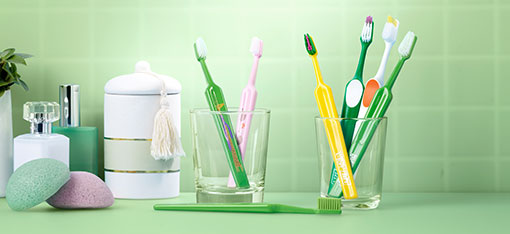
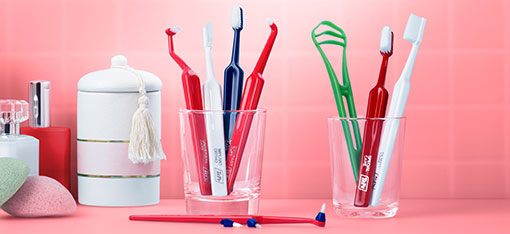
Soft, high-quality filaments ensure gentle cleaning. A tapered brush head helps to reach the back teeth easily.
Putting It All Together with TePe
At TePe, prevention is at the heart of everything we do. A truly effective oral health routine isn’t one-size-fits-all, it’s about choosing the right tools and using them in the right order.
Here’s a simple, effective routine to try:
-
Start with interdental cleaning
Use a TePe interdental brush or EasyPick™ to clean between teeth. -
Spend extra time on those hard-to-reach areas
Use a complementary product like TePe Compact Tuft for precision cleaning around back teeth or crowding. -
Brush thoroughly with fluoride toothpaste
Focus on all surfaces for at least 2 minutes. -
Spit—don’t rinse
Let the fluoride stay on your teeth to keep working.
Small changes like this can make a big difference over time.
The Bottom Line
Rinsing with water right after brushing might feel clean, but it can limit the power of your toothpaste.
By skipping the rinse and rethinking your routine, you can:
- Boost cavity and gum protection
- Improve enamel strength
- Get more out of every brush
So next time you brush, remember: Spit, don’t rinse, and let your toothpaste do the work.
References
- Sotthipoka K, Thanomsuk P, Prasopsuk R, et al. The effects of toothpaste amounts and post-brushing rinsing methods on salivary fluoride retention. J Health Res. 2018.
- American Dental Association. Should you rinse after brushing?
Leave a comment