





Myth Busting: Everyone Should Be Flossing
When it comes to oral health advice, one message has been repeated for decades: "You should floss every day."
While the intention behind this advice is absolutely right—cleaning between your teeth is essential—the idea that floss is the only or best solution for everyone is a myth.
The truth is:
✅ Everyone should clean between their teeth.
❌ Flossing is not the best option for everyone.
Let's break down why interdental cleaning matters, the different tools available, and how to choose what's right for you.
Why Cleaning Between Your Teeth Matters
Your toothbrush only cleans about 60% of your tooth surfaces. The rest? They're the surfaces between your teeth—where plaque tends to build up the most.
That plaque:
- Triggers gum inflammation (gingivitis)
- Can lead to periodontitis (advanced gum disease) if left untreated
- Contributes to cavities between teeth
Interdental cleaning disrupts this plaque before it causes damage. And research consistently shows that daily plaque removal between teeth is critical for preventing gum disease.1
The Different Interdental Cleaning Tools Available
Scientific evidence has helped modern dentistry move beyond a "one‑size‑fits‑all" approach to an individualized approach.
Interdental Brushes (IDBs)
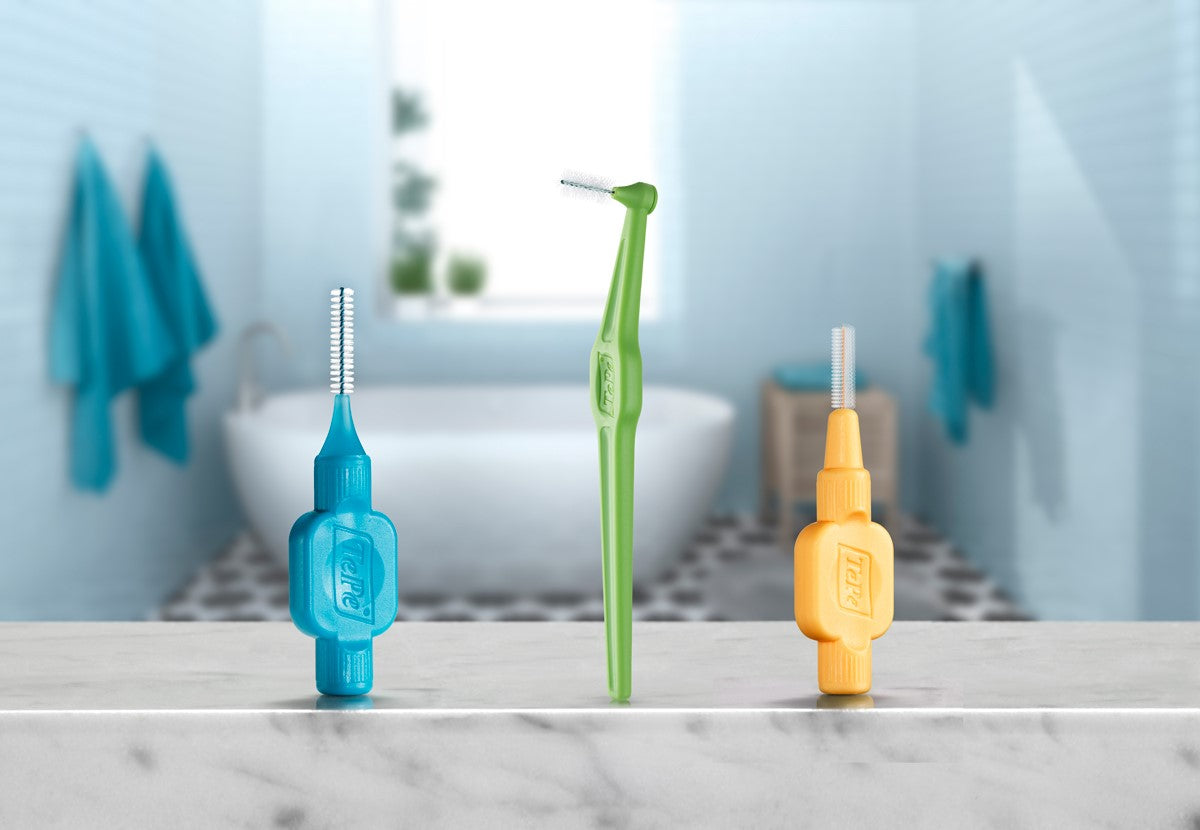
Interdental brushes are small, bristle brushes designed to clean between teeth.
- Found to be more effective than floss at reducing plaque and gum inflammation
- Best option for open spaces, larger gaps, or patients with gum recession
- Great option for cleaning around dental implants
- Easier for most patients to use correctly and consistently
- Wide range of sizes, so they can be an alternative to flossing even for those that have healthy gum tissue with no bone loss

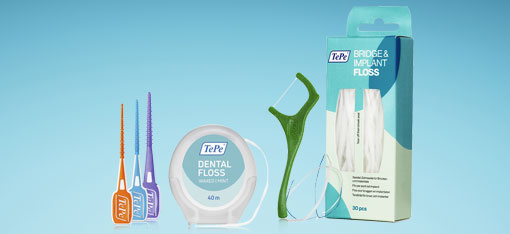
Floss
Research shows that floss is not the most effective method for many individuals—especially when spaces between teeth are larger. It is difficult to use correctly, which reduces the effectiveness, and many people don't use it consistently.
Floss does remain an option for those with:
- Tight contact areas where a brush cannot fit
- Healthy tissue, no bone loss, and has the skill to do the technique correctly and consistently
Other Options
- Floss holders (for easier handling)
- Water flossers
- Rubber interdental picks
The best tool depends on your individual anatomy, gum health, ability to use it effectively, and your preferences.
Healthy Gums vs. Periodontitis: What Should You Use?
If You Have Healthy Gums with No Bone Loss
- Tight spaces → floss may be appropriate if you have the skill to use it correctly
- Slightly open or small spaces → small interdental brushes, floss, or floss aids
- Goal: prevent inflammation before it starts
If You Have Gum Disease (or a History of It)
- Interdental brushes are often recommended
- They clean root surfaces exposed by gum recession
- They remove plaque more effectively in larger spaces
Studies show that interdental brushes are the most effective option for managing plaque and gingival inflammation in periodontal patients.1-2
The Takeaway
Myth: Everyone should be flossing.
Reality: Everyone should clean between their teeth—but floss is not the best option for everyone.
The key to better oral health is:
- Removing biofilm daily
- Using the right tool for your anatomy and skill level
- Staying consistent
Oral health isn't about doing what works for everyone—it's about doing what works best for you. With the right approach, interdental cleaning becomes simpler, more effective, and easier to sustain over time.
References
- Kotsakis GA, Lian Q, Ioannou AL, Michalowicz BS, John MT, Chu H. A network meta‑analysis of interproximal oral hygiene methods in the reduction of clinical indices of inflammation. J Periodontol. 2018;89(5):558–570.
- Slot DE, Valkenburg C, Van der Weijden GA. Mechanical plaque removal of oral hygiene: A systematic review of interdental cleaning tools. J Clin Periodontol. 2020;47(S22):255–272.
Leave a comment