









Myth Busting: “My Oral Health is All Genetics.”
Have you ever heard—or said—“I just have bad teeth. It runs in my family”?
It’s true that genetics play a role in oral health. But they are not the whole story. Cavities and gum disease don’t happen because of fate alone. Research consistently shows that while genes may influence susceptibility, daily plaque removal and habits are the strongest drivers of oral health outcomes.1-2
Let’s break this myth down—and put the power back where it belongs: with you.
What Genetics Really Influence in Oral Health
Your genes can influence things like:
- Enamel strength and tooth shape
- Saliva composition and flow
- Immune response to bacteria
- Inflammatory tendencies
These factors help explain why two people with similar habits may experience oral disease differently.2-3 However, genetic risk does not cause disease on its own. For cavities and periodontal disease to occur, plaque must still be present.1

The Diseases We Worry About Are Plaque Driven
Cavities and gum disease are plaque mediated diseases.
Plaque is a living bacterial community that:
- Feeds on sugars
- Produces acids and inflammatory toxins
- Triggers enamel breakdown and gum inflammation
Without plaque, these diseases do not develop, regardless of genetics.1 This is why plaque removal remains the cornerstone of prevention worldwide.
Daily habits that consistently lower disease risk include:
- Brushing twice daily with fluoride toothpaste
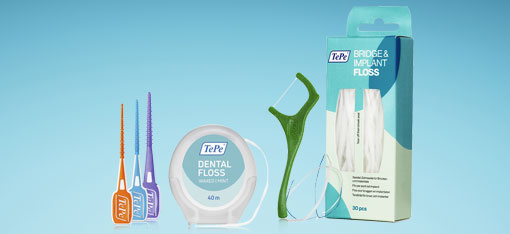
- Cleaning between teeth every day (interdental brushes when spaces allow)
- Disrupting plaque where it hides—not just where it’s easy
Why “Bad Genes” Often Feel Overwhelming
Because early oral disease is usually painless, it’s easy to believe damage is unavoidable:
- Early cavities don’t hurt
- Gum disease progresses silently
- Inflammation happens below the surface
When genetics are blamed, motivation drops. But when you understand what’s controllable, confidence rises.
That’s why dental professionals emphasize: daily plaque removal, cleaning between teeth, and personalized prevention plans. These steps directly interrupt the disease process—even in genetically susceptible patients.
Genes and the Oral Microbiome: Still Not Destiny
New research does show that genetics can influence the oral microbiome—the mix of bacteria in the mouth.4 But environment still dominates.
That means:
- Less plaque = fewer harmful bacteria
- Better habits = healthier microbial balance
Your daily actions continuously reshape your oral environment.
The Takeaway
Myth: My oral health is all genetics.
Reality: Genetics influence risk—but plaque control determines outcomes.
You can’t change your genes—but you can change plaque levels every single day. When plaque is controlled, disease is prevented—even in those with a family history of cavities or gum disease.
Your genes set the background. Your habits write the story.
References
1. American Dental Association. (2023). Genetics and oral health. https://www.ada.org/resources/ada-library/oral-health-topics/genetics-and-oral-health
2. Joy Thomas A, Lalwani Z, Guajardo L, Valenza J, Fakhouri WD. The role of genetics in human oral health: A systematic–narrative review. Dentistry Journal. 2025;13(3):133. https://doi.org/10.3390/dj13030133
3. Cogulu D, Saglam CC. Genetic aspects of dental caries. Frontiers in Dental Medicine. 2022;3:1060177. https://doi.org/10.3389/fdmed.2022.1060177
4. Kamitaki N, Handsaker RE, Hujoel MLA, et al. Human and bacterial genetic variation shape oral microbiomes and health. Nature. 2026;651:429–439. https://doi.org/10.1038/s41586-025-10037-7
Leave a comment