





Prevention: Designing your Environment for Better Oral Homecare Routines
Have you ever told yourself, “I know I should floss more… I just forget” or “I don’t have time in the morning”? You’re not alone—and it’s not just about willpower.
The truth is, your environment plays a powerful role in whether healthy habits stick or fade away. Your daily surroundings—your bathroom setup, your routine, even the people around you—can either support your oral health habits or make them harder to maintain.
It’s Not Just About Motivation—It’s About Your Environment
Even the most motivated people can struggle if their environment creates barriers.
Think about it:
- If your floss isn’t visible, you may forget to use it
- If mornings feel rushed, brushing becomes inconsistent
- If no one around you prioritizes oral care, it may feel less important
That’s because your environment influences your behavior more than you might realize.
The goal isn’t to rely on motivation—it’s to create an environment that makes healthy habits easier, more visible, and more automatic.

Small Changes to Your Environment Can Lead to Big Results
Your environment includes more than just your bathroom. It’s a combination of:
- Your Daily Routine
- Your Physical Space
- Your Social Influences
1. Your Daily Routine: One of the easiest ways to build a habit is to attach it to something you already do. This approach makes oral care feel natural instead of something extra to remember.
- Do you have a consistent time for brushing and cleaning between teeth?
- Are your habits connected to something you already do each day?
- After brushing → clean between your teeth
- After dinner → brush at the sink before leaving the kitchen
- After your evening routine → floss one area
2. Your Physical Space: What you see influences what you do, becoming part of your routine and not an afterthought. Cues are simple reminders that help you take action. Identify cues to trigger your healthy behavior. Over time, these cues help turn actions into automatic habits.
Common cues include:
- Time: Brush every morning after waking up
- Place: Floss when you’re at the bathroom sink
- Routine: Clean between teeth right after brushing
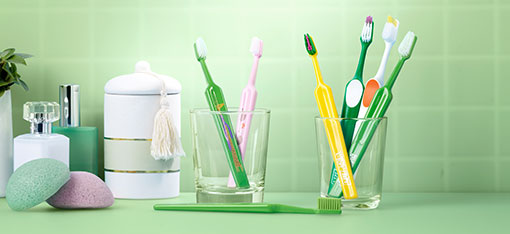
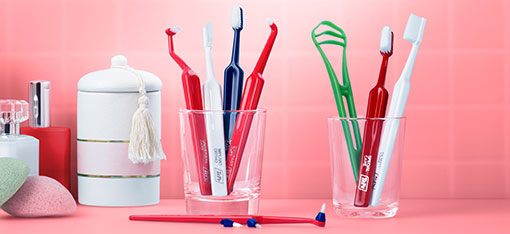
- Visual reminders: A note on the mirror or tools on the counter, keeping floss or interdental brushes next to your toothbrush, using a simple organizer so tools are easy to grab
- Digital reminders: Set a phone alert at the same time daily or apps to encourage routines
3. Your Social Environment: When oral care becomes part of a shared routine, it feels more normal, more supported, and easier to maintain. Even small social support can strengthen long‑term habits.
- Do your friends brush or floss regularly?
- When socially expected, behavior is perceived as common and valued
- Do you have support or encouragement from others?
- Partners reminding each other
- Are these habits part of your household routine?
- Families sharing routines of brushing together at night
Reduce Barriers and Friction
If something feels difficult, it’s less likely to stick. When habits feel easier, they’re more likely to happen consistently.
Ask yourself:
- Are your tools easy to access or tucked away in a drawer?
- Do you have the right products for your needs?
- Does your routine feel rushed or complicated?
Simple solutions include:
- Keeping tools in multiple places (bathroom, travel bag)
- Choosing products that are easy to use
- Setting up your space to make oral care quick and convenient
Putting It All Together with TePe
Creating a supportive environment is one of the most powerful ways to turn good intentions into lasting habits—and the right tools play an important role in making that happen.
Once your environment is set up to support your routine, the next step is choosing products that are easy to use, easy to see, and easy to keep part of your daily rhythm.
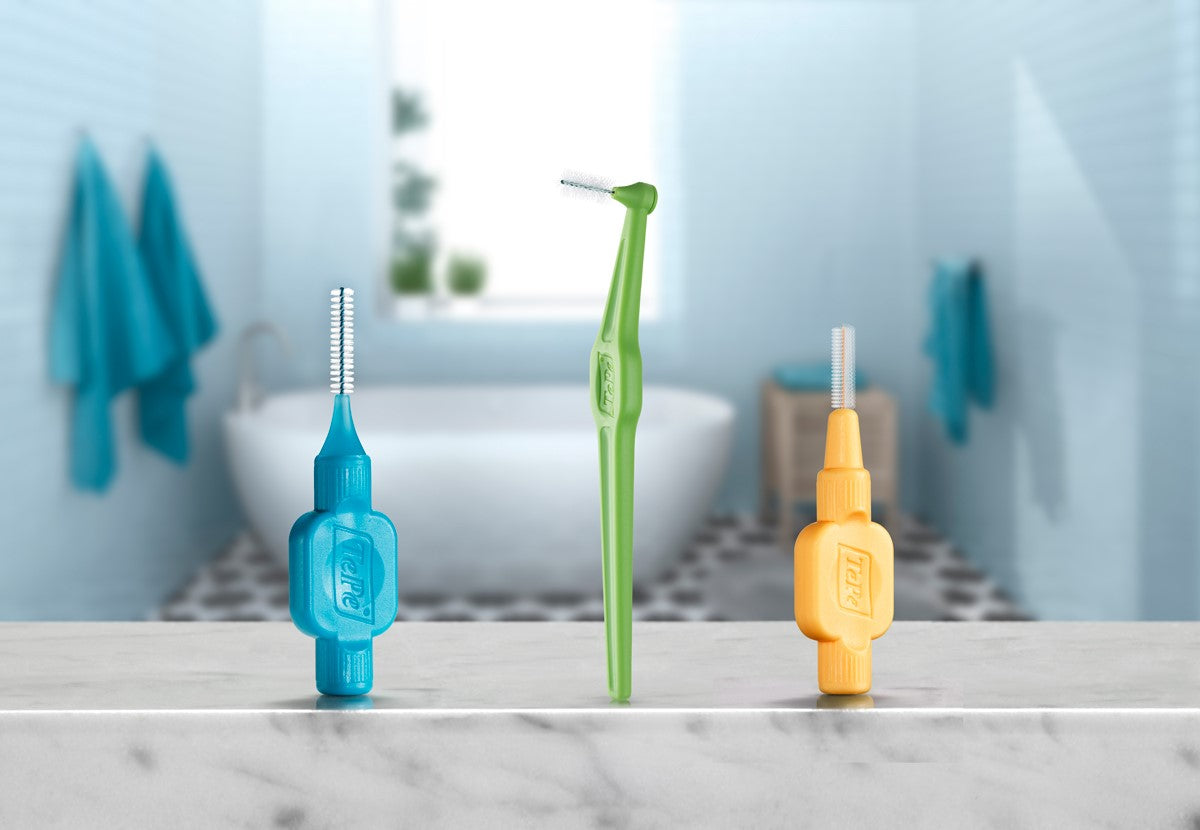
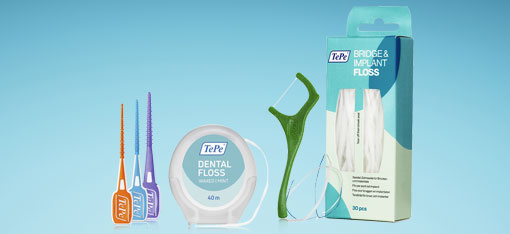
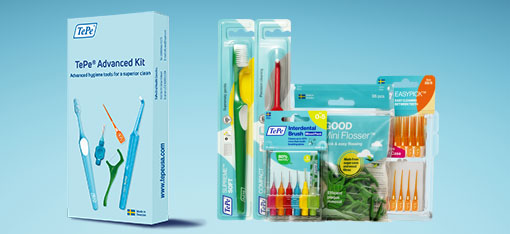
From interdental brushes in multiple sizes that fit your unique spaces to thoughtfully designed toothbrushes and specialty brushes, TePe products support the habits you’ve built by fitting seamlessly into your environment. When your tools are visible, convenient, and designed for your individual needs, they become part of your routine—not something you have to remember.
When your environment works for you:
- Healthy habits become easier to remember
- Routine replaces effort
- Small actions turn into lifelong habits
When everything around you works together—your space, your routine, and your tools—healthy habits start to feel natural.
Leave a comment