





Prevention: From Intention to Action Through Planning
Have you ever left a dental appointment feeling motivated to improve your oral health, only to find yourself back in old habits a few weeks later? You're not alone.
Most people know what they should do: brush twice a day, clean between their teeth, and keep up with regular dental visits. The challenge isn't usually knowledge. The challenge is turning that knowledge into something you do consistently, even on busy or stressful days.
That's where a plan becomes important.
A well-designed plan bridges the gap between wanting to change and actually doing it. It transforms goals into habits, making oral health feel less like a task and more like a natural part of everyday life.
The Formula for Lasting Change
One simple formula can help transform goals into habits: Identity = Cue + Routine
This formula helps connect who you want to be with what you do every day.
Step 1: Identity
Before creating a new habit, it's helpful to answer a simple question: Who do I want to become?
Rather than focusing only on outcomes, focus on identity.
For example:
- "I am someone who takes care of my health."
- "I am someone who protects my smile."
- "I am someone who values prevention."
- "I am someone who has healthy gums for life."
The most sustainable habits are those that match your identity. Instead of relying on willpower, you act in ways that reflect who you are. That's a powerful shift.
Step 2: The Cue
A cue is what triggers the behavior. With a cue, new behaviors become much easier to remember.
Common oral health cues include:
- After brushing your teeth
- After dinner
- After washing your face
- Before getting into bed
- When your phone reminder goes off
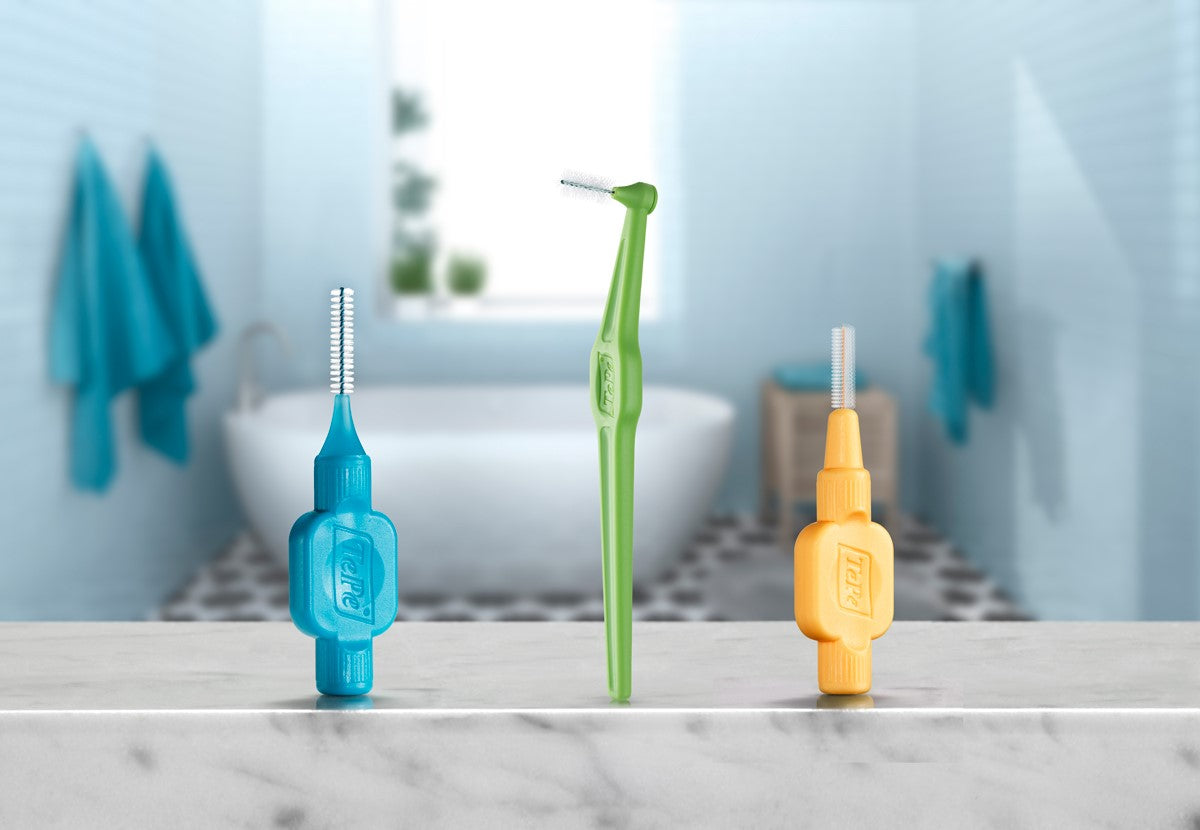
- When you see your interdental brush on the bathroom counter
The best cues are things that already happen consistently in your day. For example: "Before I brush my teeth, I will clean between my teeth." Brushing becomes the cue for the new habit.
Step 3: The Routine
The routine is the actual behavior. A successful routine answers three questions:
When?
- After dinner
- Before bed
- After taking a shower
Where?
- At the bathroom sink
- While watching the evening news
- In the office restroom after lunch
How?
- Using an interdental brush
- Using floss
- Using a specialty cleaning device recommended by your dental professional
Compare these two plans:
❌ "I'll start cleaning between my teeth more."
✅ "At night after showering, when I see a sticky note reminder and an interdental brush on my countertop in the bathroom, I will clean between my back teeth."
One is a wish. The other is a plan. The more specific the routine, the easier it is to follow. Start with one small change instead of changing everything at once.

How Habits Form in the Brain
At first, every new behavior requires effort. You have to remember it. You have to think about it. You have to consciously choose it.
But something remarkable happens with repetition. As you repeat the same behavior in response to the same cue, your brain gradually begins to automate the process.
Over time:
- Less thinking is required
- Less effort is required
- The behavior starts to feel natural
Eventually, the cue triggers the habit almost automatically. That's why consistency matters more than motivation. The goal is not simply to achieve a result. The goal is to build a habit.
Even the best habits encounter challenges. That's why effective plans include backup plans when obstacles might occur. Think ahead.
If I'm too tired...
Then I'll clean between my teeth immediately after dinner instead of before bed.
If I forget...
Then I'll set a reminder on my phone.
If my technique feels difficult...
Then I'll use a different tool recommended by my dental professional.
Planning for barriers reduces the chance that one difficult day turns into weeks of missed habits.
Putting It All Together with TePe
At first, consistency is more important than perfection. Behavior change is rarely a straight line. Some days go well. Some days don't. That's normal. Missing a day doesn't erase your progress.
Instead of aiming for perfection:
- Track your progress
- Celebrate small wins
- Learn from setbacks
- Adjust your plan when necessary
At TePe, we believe the most effective oral care routine isn't the most complicated one. It's the one you can consistently maintain.
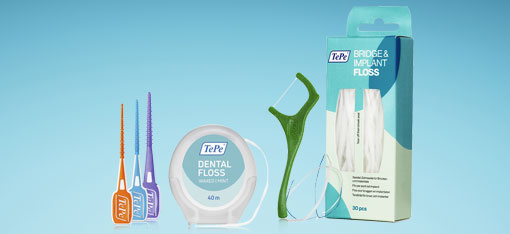
Whether you're using interdental brushes, EasyPick™, Specialty brushes, or Toothbrushes designed for your unique needs, the goal is to create a routine that fits your lifestyle and supports your long‑term oral health.
By connecting your identity, cue, and routine, small oral health actions become consistent habits that feel less like something you must remember and more like a natural part of who you are.
Leave a comment