




Prevention: How Your Brain Turns Oral Health Goals into Automatic Habits
Have you ever wondered why some oral health habits feel effortless while others seem like a daily struggle?
For many people, remembering to clean between their teeth, use a tongue cleaner, or wear a nightguard requires constant effort. Yet brushing your teeth may feel almost automatic.
The difference isn't motivation. It's neuroscience.
Research shows that lasting habits are formed when the brain shifts control of a behavior from a conscious, effortful system to a more automatic habit system. Understanding how this process works can help explain why building healthy oral health routines requires more than simply knowing what to do or having good intentions.
Your Brain Has Two Different Systems for Behavior
When learning a new habit, two key areas of the brain work together:
The Prefrontal Cortex: The Planner
The prefrontal cortex is located behind your forehead and helps with:
- Planning
- Decision-making
- Attention
- Self-control
- Evaluating outcomes
Think of it as the brain's "executive manager." Whenever you start a new oral health behavior, this part of the brain is working hard.
For example:
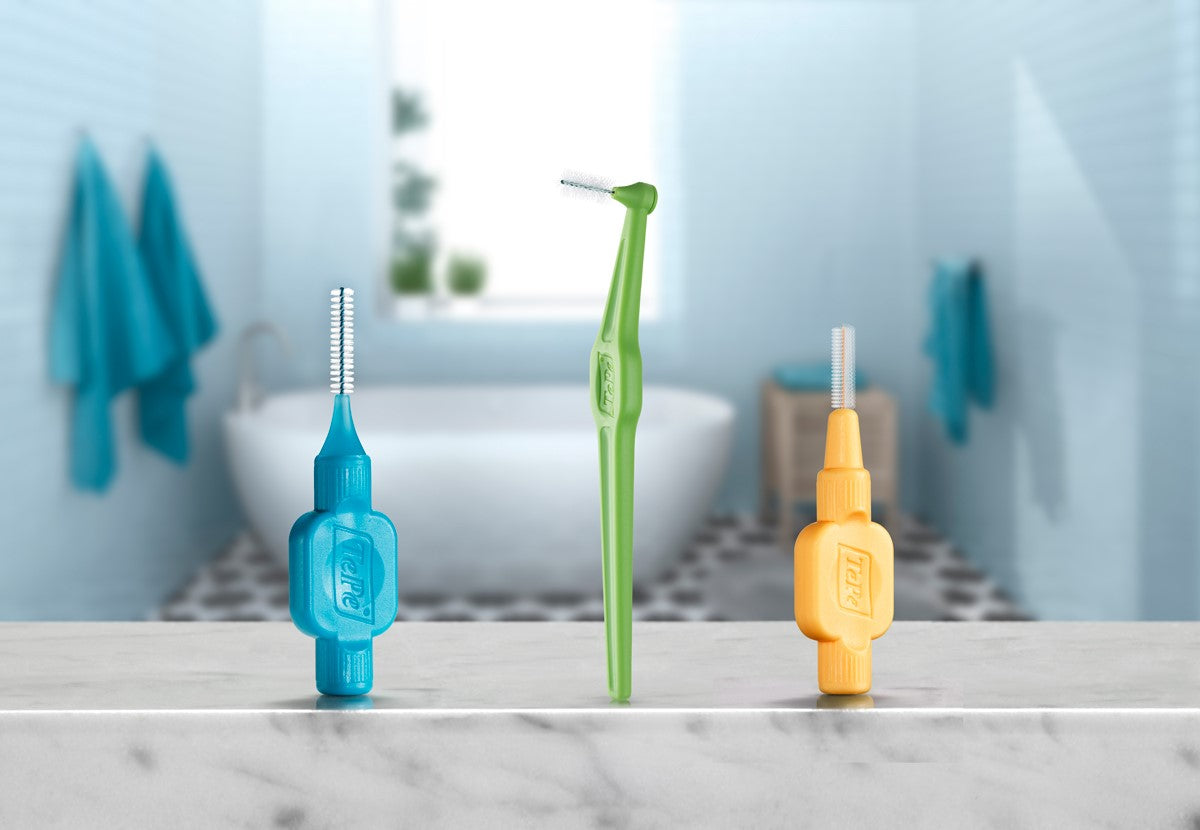
- Remembering to use an interdental brush
- Deciding when to clean between your teeth
- Learning a new brushing technique
- Choosing healthier behaviors over old routines
In the beginning, these actions require conscious thought and effort.
The Basal Ganglia: The Habit Center
Deep within the brain is another system called the basal ganglia.
Unlike the prefrontal cortex, the basal ganglia help manage behaviors that have become familiar through repetition. Once a habit is established, the basal ganglia allows you to perform it with much less mental effort.
In simple terms:
The prefrontal cortex helps you start a behavior.
The basal ganglia helps you keep doing it automatically.
Why New Habits Feel Hard at First
Many people become frustrated when a new oral health habit doesn't immediately stick. But that's exactly what neuroscience predicts.
Early behavior change depends heavily on the prefrontal cortex, which means the behavior requires:
- Attention
- Effort
- Decision-making
- Self-control
This is also why new habits often break down during:
- Stress
- Fatigue
- Busy schedules
- Vacation
- Major life changes
The prefrontal cortex is powerful, but it gets tired. Relying on motivation and willpower alone means asking this system to do all the work every day.

How Goals Become Automatic Habits
The secret to habit formation isn't thinking harder. It's repetition using cues and routines.
Researchers describe habit formation as a gradual shift in neural control from the prefrontal cortex to the basal ganglia. As a behavior is repeated in a stable context, it becomes more automatic and requires less conscious effort. Eventually, cues begin triggering the behavior with minimal mental involvement (Yin & Knowlton, 2006; Graybiel, 2008).
Habits are not formed by thinking harder. Habits are formed by repeating the same behavior in response to the same cue.
The Habit Loop: Cue → Routine → Reward
Neuroscientists and behavior researchers describe habits through a simple framework known as the habit loop (Duhigg, 2012).
Cue: The trigger that tells your brain it's time to do the behavior.
Routine: The behavior itself (when, where, how).
Reward: The positive outcome that reinforces the behavior.
Over time, the cue itself begins activating the habit. This is why successful oral hygiene behaviors are often linked to existing routines. The more consistent the cue, the faster the brain learns what to do. You can't wait to “feel motivated.”
Common cues could include:
- At a specific time of day, setting an alarm for the same time each day
- A location, placing an interdental brush next to your toothbrush
- A preceding action, after taking a shower in the evening
- A visual reminder, a sticky note on the mirror
When we build new habits, it is helpful to match your cue and routine to your identity. Oral care shifts from a task to a reflection of your identity, transforming behaviors like brushing and cleaning between teeth into daily affirmations of your identity.
This isn’t just feel-good advice: it reflects how behavior change works in health psychology. When your habits line up with who you believe you are, they’re far more likely to last.
Identity = Cue + Routine
For example:
Identity: “I am someone who does not prioritize cleaning between my teeth, and I don’t have time.”
Cue: After brushing my teeth
Routine: I will focus on the one small change of cleaning between just two teeth where I have swollen gums.
Identity: “I am someone who protects my smile.”
Cue: At night after showering, when I see a sticky note reminder…
Routine: I will use an interdental brush between my teeth.
With repetition, the brain starts linking the cue and routine together. Eventually, the behavior requires less thinking, less effort, and less motivation. That's the moment when true habit formation begins.
Putting It All Together with TePe
At TePe, we believe prevention starts with habits that fit naturally into everyday life.
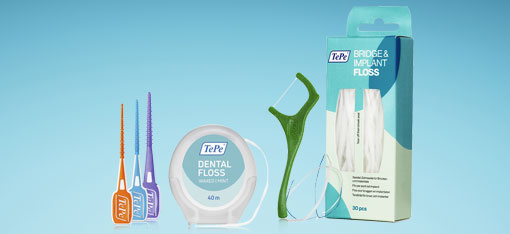
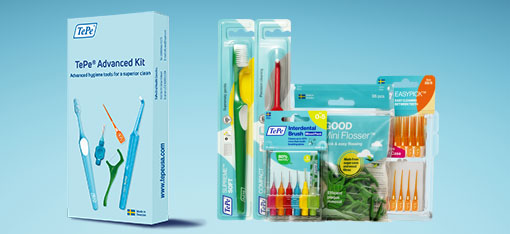
Whether you're using interdental brushes, TePe EasyPick™, specialty brushes, or toothbrushes, the focus is to match your cue and routine to how you identify with your oral health, improving life-long behavior change.
When a behavior is linked to a cue and repeated consistently, control gradually shifts from the effortful planning center of the brain (the prefrontal cortex) to the automatic habit system (the basal ganglia). Over time, the routine becomes easier, more natural, and more sustainable.
Because the best oral health habits aren’t the ones you remember to do.
They’re the ones your brain learns to do automatically.
References
Graybiel AM. Habits, rituals, and the evaluative brain. Annu Rev Neurosci. 2008;31:359-387.
Yin HH, Knowlton BJ. The role of the basal ganglia in habit formation. Nat Rev Neurosci. 2006;7(6):464-476.
Duhigg C. The Power of Habit: Why We Do What We Do in Life and Business. New York, NY: Random House; 2012.
Leave a comment