






Prevention is Easier with Support Systems

We often think oral health is an individual responsibility. You brush your teeth. You clean between them. You make the dental appointment. But while the actions may be personal, the people around us can influence how easy it is to maintain them.
Family members, partners, friends, caregivers, and dental professionals can all become part of an oral health support system. When healthy behaviors are encouraged, modeled, and shared, prevention can feel less like another task and more like a normal part of everyday life.
Healthy Habits Don't Happen in Isolation
Think about some of your other health behaviors. Maybe a friend encourages you to exercise. A partner helps you prepare healthier meals. A family member reminds you about an appointment.
Oral health can work the same way.
The people around us can influence what behaviors feel important and normal. When brushing twice daily, cleaning between teeth, and attending preventive dental visits are supported by the people in your life, maintaining those behaviors may become easier.
The goal isn't to have someone monitor whether you brushed or cleaned between your teeth.
A good support system encourages you, participates with you, and helps make oral health a shared priority.
Find the Support That Works for You
Your support system doesn't have to be large. One supportive person can make a difference.
Ask yourself: Who encourages my healthy behaviors?
- Partner
- Parent
- Child
- Friend
- Caregiver
- Dental hygienist
- Dentist
- Orthodontist
Then consider what type of support would actually be useful. Maybe you want a partner to join you in improving oral health. Maybe you need a dental hygienist to help you find an easier tool to clean between your teeth. Maybe an older family member needs help maintaining oral hygiene because dexterity has changed. Maybe your family can simply decide that protecting oral health is something everyone values.
Support should make healthy behaviors easier, not make someone feel judged.
Using Your Support System for Oral Health
Your Family: This is a powerful social support. Parents and caregivers spend considerable time teaching children how to brush, but children are also watching what the adults around them actually do. Instead of oral care being something children are simply told to do, make it something the household values together. And family support isn't only for children. Partners, adult children, and caregivers can also help one another maintain oral health throughout life.
- Brush together for two minutes in the morning or evening.
- Let children see adults clean between their teeth.
- Celebrate successful dental visits and improvements in oral health.
- Talk positively about preventive dental care.
- Help family members select oral care products appropriate for their individual needs.
Your Partner: Oral health can become a shared healthy behavior. If one person begins cleaning between the teeth regularly, the other may become interested in doing the same. If both people prioritize preventive dental visits, those appointments can become accepted parts of maintaining overall health.
Your Friends: Our social circles shape our perception of what is "normal." If nobody around you talks about cleaning between their teeth, interdental care may seem optional. But conversations about preventive health can change that perception. Making prevention part of everyday health conversations helps move the emphasis from fixing oral problems to protecting health.
Your Dental Team: Your dentist and dental hygienist aren't there simply to identify what's wrong. Preventive care works best when the relationship becomes a partnership. Tell your dental professional when something isn't working. Your dental professional can then explore alternatives appropriate for your individual oral health and needs. For example, tell your dental professional about limited dexterity, sensitivity, difficult areas to reach, dry mouth, financial barriers, or changes in medications. Person-centered preventive care begins with understanding what is realistic for you.
Practical Support: At certain stages of life, oral care may become more challenging. In these situations, support may need to become more practical. A caregiver or family member might help organize products, purchase recommended supplies, assist with oral hygiene when appropriate, or accompany someone to a dental appointment. Supporting someone does not mean taking control away. It means helping remove barriers so that preventive care remains achievable.
Someone may be managing:
- Braces
- Dental implants or bridges
- Periodontal disease
- Limited dexterity
- Arthritis
- Cognitive or physical limitations
- Recovery from illness or surgery
- A complicated medical condition
Putting It All Together with TePe
Good oral health is personal, but maintaining it doesn't have to be a solo effort.
Family, friends, partners, caregivers, and dental professionals can all provide encouragement, positive examples, practical assistance, and accountability when needed.
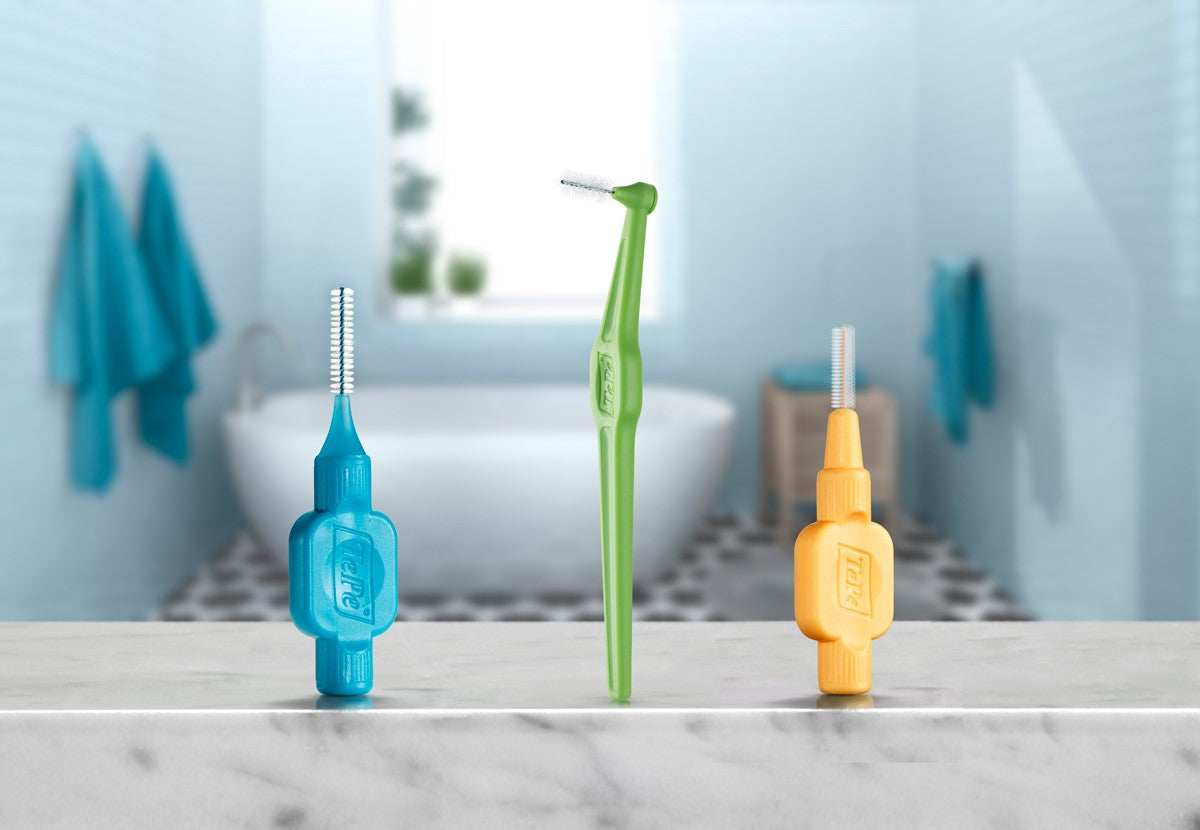
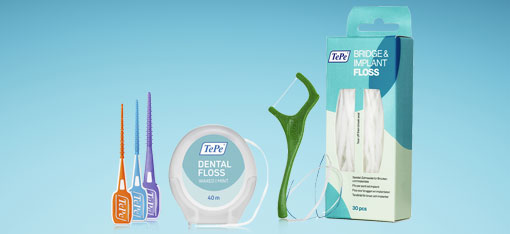
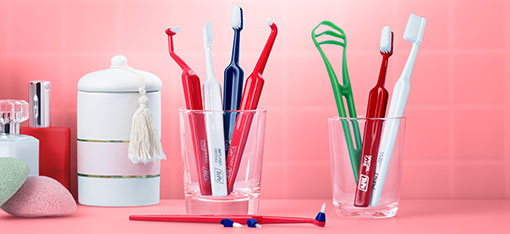
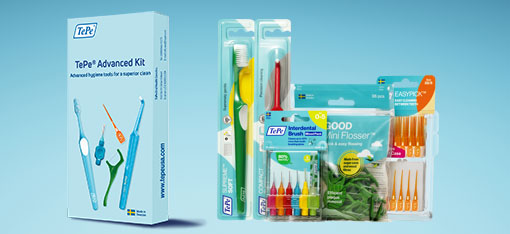
At TePe, we believe prevention works best when oral care is individualized, achievable, and supported throughout life. Whether you're using interdental brushes, EasyPick™, specialty brushes, or toothbrushes designed for your unique needs, relationships help turn recommendations into sustainable behaviors.
So, when you're working toward better oral health, don't only ask:
"What do I need to do?"
Also consider:
"Who can support me in doing it?"
Because stronger preventive habits aren't always built alone. Sometimes, healthier smiles begin with healthier support systems.
Leave a comment