





Prevention: Making Biofilm Visible Motivates Better Oral Health Habits
When it comes to oral health, many problems develop quietly. Cavities, gum inflammation, and early periodontal disease often don't hurt at first—which makes them easy to ignore. If everything feels fine, it's natural to assume everything is fine.
But what if you could actually see what's happening in your mouth?
One of the most powerful ways dental professionals help motivate lasting behavior change is by making the invisible visible—using tools like disclosing solutions and intra‑oral photos to show plaque as they truly are. Once you see the evidence, oral health becomes real, personal, and urgent.
Why Dental Plaque Is Easy to Miss—But Important to See
Plaque is a sticky, colorless layer of bacteria, food particles, and saliva that constantly forms on teeth and along the gumline. In its early stages, it:
- Doesn't hurt
- Often can't be felt
- Builds up in hard‑to‑reach areas and along the gumline
Because it's often difficult to see, many people underestimate its impact. Yet plaque is the primary cause of cavities, gum disease, inflammation, and bleeding. If left uncontrolled, it can lead to bone loss and tooth loss over time. This is where visual tools become essential.
Motivation Begins When You Can See the Evidence
Behavior change happens when you understand why something matters to you. Seeing your own mouth changes everything.
Dental professionals increase motivation by shifting oral health from abstract advice ("You should floss more") to clear evidence ("Here is exactly where biofilm is causing bleeding and early damage").
When plaque, bleeding, and early damage are made visible:
- Oral disease becomes real—not abstract
- Prevention feels urgent—but achievable
- You recognize the power of your daily habits
The Role of Disclosing Solutions, Intra‑Oral Photos, and Digital Scans
A disclosing solution is a temporary dye applied to the teeth that stains plaque in bright colors. When you look in the mirror, you can instantly see where plaque is building, why certain spots keep bleeding, and areas being missed during brushing and cleaning between the teeth.
When you see stained plaque for the first time, it often creates an "aha" moment:
"I didn't realize I was missing that much." That realization builds motivation.
Seeing photos of your own teeth, especially before and after proper brushing or interdental cleaning, makes improvement tangible and achievable. Digital scans highlight areas of hard and soft tissue, making changes from one appointment to the next evident. Progress is no longer guesswork. It's visible.
These tools allow you to see:
- Areas of plaque buildup
- Inflamed or bleeding tissue
- Changes over time
Partner with your dental professional and ask them to use these tools during your next visit.

Linking What You See to What You Do
Visual evidence becomes even more powerful when it's linked directly to daily habits.
For example:
- Bleeding gums are shown next to areas with heavy plaque
- Early cavities appear where plaque collects frequently
- Stains and buildup reveal missed areas between teeth
Instead of feeling blamed, you feel informed: "This isn't about brushing harder—it's about brushing differently." That shift builds confidence and self‑efficacy.
Tracking Progress Builds Confidence
Documentation and follow‑up are just as important as the first reveal. Seeing improvement reinforces motivation, which is key to long-term habits.
By consistently monitoring biofilm and inflammation over time, dental teams can:
- Show improvement (or areas that still need focus)
- Reinforce effective behaviors
- Adjust home‑care recommendations
- Celebrate progress
Putting It All Together with TePe
Motivation starts with visibility. Once plaque and problem areas are made visible through disclosing solutions, intra‑oral photos, or digital scans, prevention becomes personal. The next step is choosing tools that make it easier to control biofilm where it matters most.
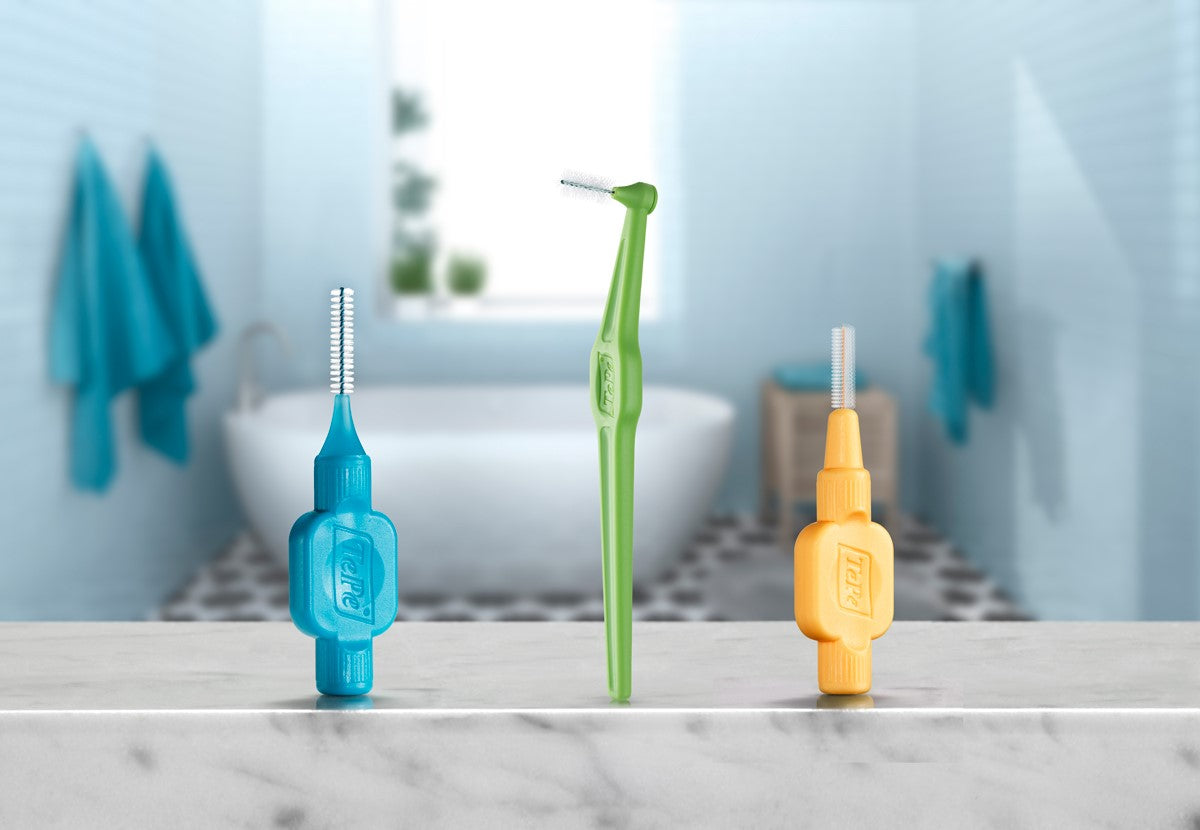
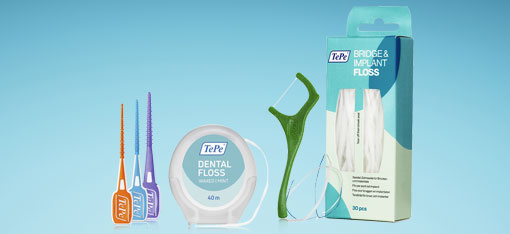
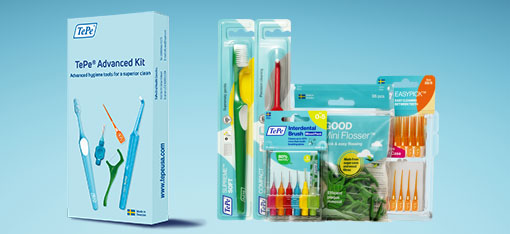
TePe products are designed to support this exact moment—when motivation is high and patients are ready to turn awareness into action. From interdental brushes sized for your unique spaces to gentle toothbrushes and specialty brushes designed for different needs, the right tools help target the areas where biofilm tends to hide and inflammation begins.
By pairing visual feedback with tailored tools, daily oral care becomes:
- More precise
- More effective
- More sustainable
When prevention is supported this way, confidence builds, habits stick, and oral health becomes an investment in lifelong wellbeing.
Leave a comment