




Prevention: Training Turns Oral Health Intentions into Daily Habits
Prevention: Training Turns Oral Health Intentions into Daily Habits
Most people know what they're supposed to do for good oral health—brush twice a day, clean between teeth, visit the dentist regularly. But knowing what to do isn't the same as knowing how to do it well or feeling confident enough to do it every day. You could be brushing for the recommended 2 minutes twice a day, but if the incorrect technique is used, you won't see the desired results.
That's where training comes in. Training is the step that turns good intentions into real, sustainable habits. It builds both knowledge and skill, helping people feel capable, confident, and equipped to care for their oral health between dental visits.
Knowledge: Understanding the "Why" to Change
Training begins with clear, personalized education. Your dental professional may use models or diagrams, short videos, in‑office demonstrations, brochures or digital resources, and/or intra‑oral photos showing your own mouth. Many dental teams also use personalized technology to help reinforce knowledge and skills at home, such as:
- Short videos recorded on your phone during your visit
- Photos showing the correct angle or placement taken during your visit
- Apps or reminders that cue your routine
These tools help explain:
- How plaque causes cavities and gum disease
- Why certain areas are harder to clean
- Which habits make the biggest difference for you
When education is visual and personalized, it's easier to understand—and easier to remember.
Skill: Practicing the "How" to Change
Education is important, but it's only the starting point. Now you know why it matters, and the next step is to focus on how to do it effectively. Training bridges that gap by translating information into action.
True behavior change happens when understanding is paired with hands‑on practice. Build your capability by focusing on one small change—one skill, one area, one habit you can realistically practice every day. Mastery of small steps builds confidence and confidence builds consistency and consistency builds routines.
Teach-Back Technique:
One of the most effective training methods is called teach‑back. After learning a skill, you're asked to:

- Explain it in your own words, or
- Demonstrate how you'll do it at home
Here's how it looks when you visit your dental professional:
- Demonstration by the dental professional
- Now it's your turn to teach-back the technique
- Receive feedback from your dental professional
This might sound simple, but it's powerful. When you demonstrate a skill and receive guidance, you leave the appointment knowing: "I can do this." You're not being tested; it's about making sure instructions were clear.
That belief—called self‑efficacy—is one of the strongest predictors of whether a habit will stick.
Putting It All Together with TePe
Training turns good intentions into confident action—and the right tools make that training easier to carry into everyday life.
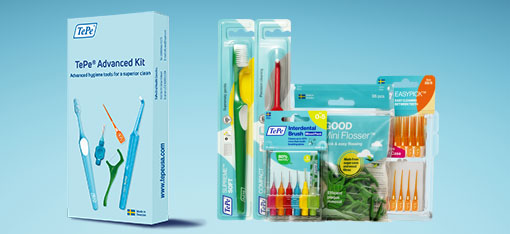
Once you understand why a behavior matters and have practiced how to do it correctly, consistency becomes the goal. TePe products are designed to support this exact stage of behavior change—helping translate knowledge and skill into habits that last.
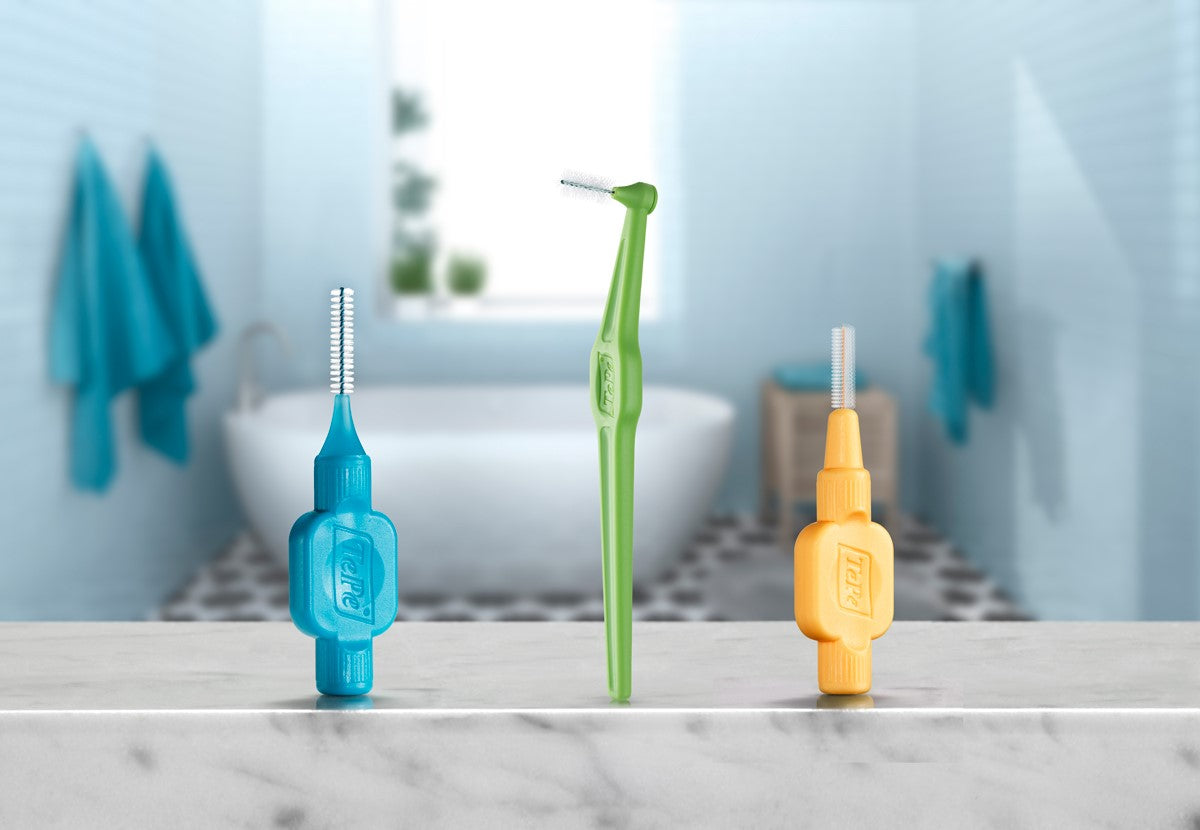
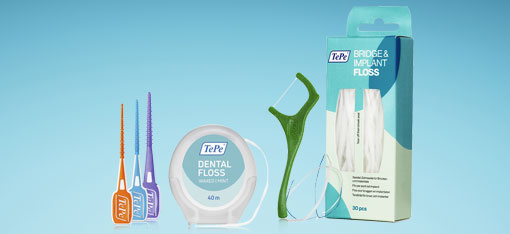
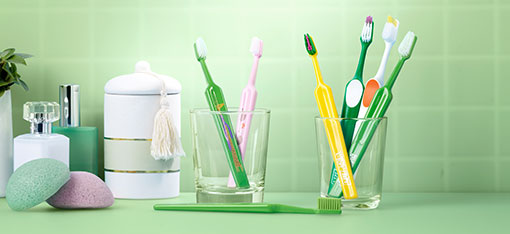
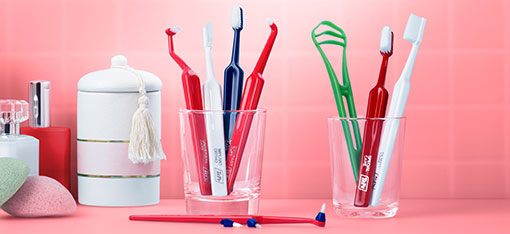
From interdental brushes sized to fit your unique spaces to gentle toothbrushes and specialty brushes designed for specific needs, TePe tools help reinforce the techniques you've practiced chairside and make plaque removal more effective at home. When tools match your anatomy and skill level, oral care feels more manageable—and more successful.
By pairing clear training, hands‑on practice, and personalized tools, daily oral care becomes:
- More precise
- Easier to maintain
- More confidence‑building
When you feel capable and supported, prevention becomes part of your routine—not a task you struggle to remember or perfect. Lasting oral health change doesn't come from being told what to do—it comes from learning how to do it, practicing it, and feeling confident doing it on your own. And over time, those small, well‑trained actions add up to healthier teeth, healthier gums, and greater confidence in caring for your smile.
Leave a comment