







Prevention: Why Evaluation Matters for Lasting Oral Health Habits
Have you ever worked hard to improve your oral health, only to wonder later whether you're actually making progress? You're not alone.
Behavior change doesn't end when you start a new habit. In fact, one of the most important parts of long-term success is something many people overlook: evaluation.
Evaluation helps you understand what's working, what's not working, and what needs to change. Combined with documentation, it creates a roadmap that helps you continue making progress between dental visits and maintain healthy habits for life.
What Does Evaluation Look Like in Oral Health?
Evaluation is simply looking at where you started, where you are now, and what helped you get there. When progress is measured and reviewed, healthy habits become more meaningful because you can see the impact of your efforts.

Examples may include:
- Less bleeding when brushing or cleaning between teeth
- Reduced plaque buildup
- Healthier gum tissue
- More consistent oral hygiene habits
- Greater confidence with brushing or interdental cleaning
These changes may seem small, but they are often signs that your daily efforts are working.
Why Documentation Matters
Documentation isn't just for dental professionals.
It's a way of creating a record of your progress so future decisions can be based on what works for you. It is connecting your behaviors to your outcomes.
For example, documentation might include:
Behavior: Cleaning between your teeth every night.
Outcome: Less bleeding and healthier gums.
When you see that connection, the habit becomes more rewarding and increases your confidence.
A good record may include:
- How you relate to your oral health
- Your current routines
- Focus areas
- Your future goals, including a specific cue and routine
- Challenges you've faced & Strategies that helped (track small wins)
- Product recommendations
By documenting these details, each dental visit builds on the last instead of starting from scratch. Documentation allows your dental team to continue supporting your progress.
Progress Isn't Always Perfect
One of the biggest misconceptions about behavior change is that success means never missing a day. Real life doesn't work that way.
Some weeks are easier than others. Vacations, work schedules, illness, stress, and family commitments can all disrupt routines.
Evaluation helps identify these obstacles before they become long-term setbacks.
For example:
Challenge: Too tired at night.
Adjustment: Move interdental cleaning to immediately after dinner.
Challenge: Forgetting.
Adjustment: Place oral care tools next to the toothbrush or set a phone reminder.
The goal isn't perfection. The goal is finding a system that works consistently in real life.
How Evaluation Supports Long-Term Habits
Healthy habits become easier to maintain when you regularly:
- Monitor your progress
- Reflect on what's working
- Adjust what isn't working
- Recognize improvements
- Celebrate success
This ongoing process helps transform oral health behaviors from temporary goals into lasting habits. It also strengthens accountability and keeps you actively involved in your own care.
Putting It All Together with TePe
At TePe, we believe prevention is a journey, not a single event.
By reviewing your progress, recognizing improvements, and adapting when challenges arise, you can continue building confidence and maintaining healthy habits between dental visits.
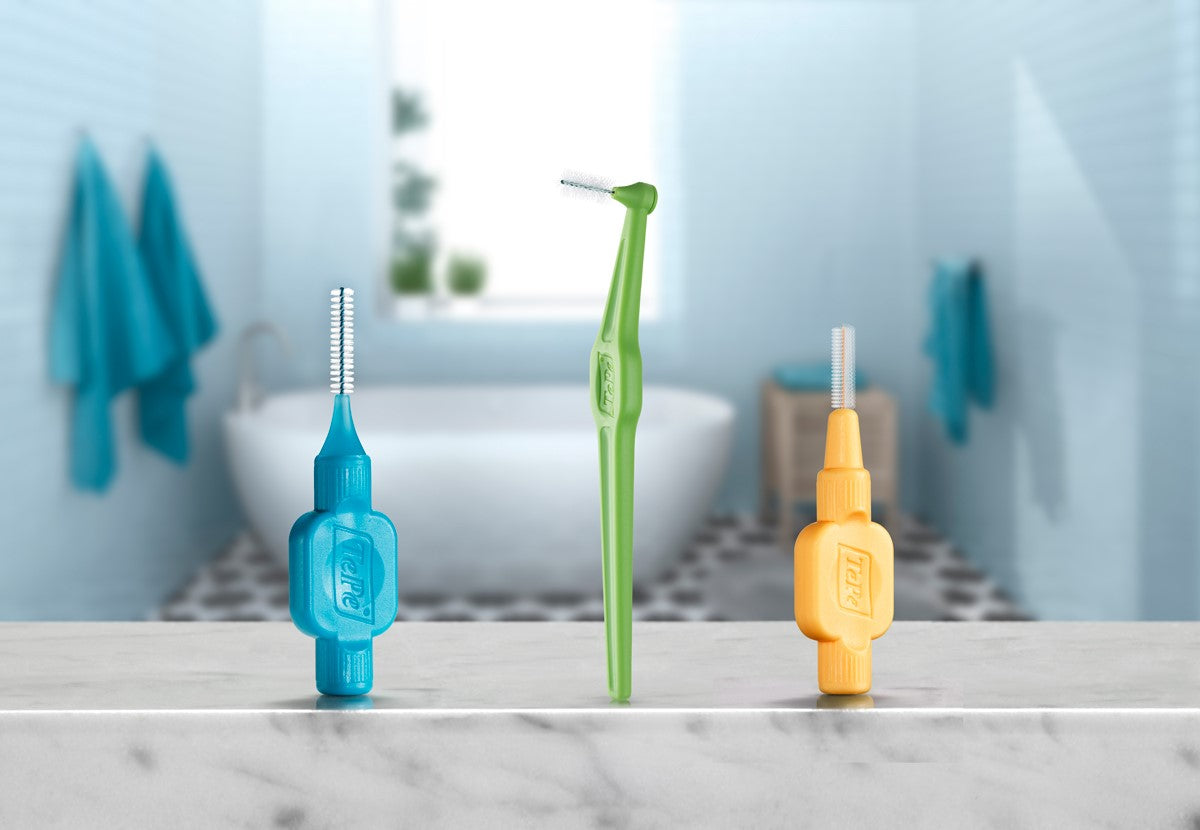
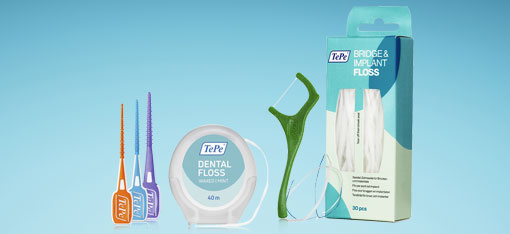
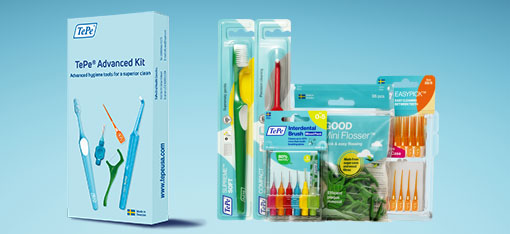
Whether you're using interdental brushes, EasyPick™, specialty brushes, or toothbrushes designed for your unique needs, regular evaluation helps ensure your routine continues to support your goals.
Lasting oral health isn't built in a day. It's built through consistent habits, monitored over time, and strengthened with every success along the way. Most importantly, evaluation reminds you that every small step matters.
Leave a comment