





Myth Busting: Braces are for Teens
When you think of braces, you might picture a middle school student showing off a newly straightened smile. While orthodontic treatment is common during the teenage years, there's a persistent myth that braces are only for teenagers.
❌ Myth: Braces are for teens.
✅ The Truth: Orthodontic treatment can be beneficial at almost any age.
In fact, the American Association of Orthodontists (AAO) reports that millions of adults receive orthodontic treatment, and adults now make up a significant portion of orthodontic patients. Whether you're 8, 18, or 58, it's never too late to improve your smile and bite.
Let's explore why this myth exists, when orthodontic treatment is most effective, and what you should know before starting their orthodontic journey.
Why Do People Need Orthodontic Treatment?
Orthodontic treatment isn't just about having straighter teeth. While many people seek treatment for cosmetic reasons, orthodontics also address functional issues that affect oral health.
An orthodontist may recommend treatment to correct:
- Crowded, crooked, or gaps between teeth
- How teeth come together: overbites, underbites, crossbites, or open bites
- Jaw alignment problems
When teeth and jaws don't align properly, it can become more difficult to clean the teeth effectively. Plaque can accumulate in hard-to-reach areas, increasing the risk of cavities and gum disease. Abnormal bites may also contribute to uneven tooth wear, tooth fractures, jaw discomfort, and difficulty chewing or speaking.
In other words, orthodontic treatment isn't just about appearance, it can be an important part of maintaining long-term oral health.
When Is the Best Time to Start Orthodontic Treatment?
One reason the "braces are for teens" myth persists is because adolescence is often an ideal time for treatment.
Early Childhood (Ages 7–10)
According to the AAO, children should receive their first orthodontic evaluation no later than age 7. This doesn't necessarily mean treatment will begin immediately. Instead, an orthodontist can identify developing problems and determine whether early intervention may help. Developing jawbones and bite problems can be corrected before they worsen. Some children may need two phases of treatment.
The Teenage Years
Many orthodontists consider adolescence one of the most effective times for comprehensive treatment because permanent teeth have usually erupted while the jaws are still growing. Treatment typically progresses efficiently, but some teens may feel self-conscious about wearing braces.
Adulthood
Here's where the myth can be explained. Healthy teeth can be moved at any age. Many adults pursue orthodontic treatment to address problems that were never corrected during childhood, while others experience crowding or shifting teeth later in life. Treatment can improve smile confidence, ability to clean teeth effectively, and improve function of teeth. Treatment can sometimes take longer than in younger patients since jaw growth is complete.
The good news? Age alone does not prevent successful orthodontic treatment.
Traditional Braces vs. Clear Aligners
Today, patients have more treatment choices than ever before.
Traditional braces use brackets and wires that gradually guide teeth into their ideal positions. Braces are attached to teeth and are effective for both simple and complex cases.
Clear aligners use a series of custom-made removable trays to move teeth gradually. They offer a nearly invisible appearance but must typically be worn 20-22 hours daily. They are only removed for eating and cleaning, so compliance is essential for success.
Your orthodontist can help determine which option is best based on your individual needs and treatment goals.

Taking Care of Your Orthodontic Appliances
Whether you choose braces or aligners, maintaining excellent oral hygiene is essential.
Orthodontic appliances can create additional areas where food and plaque collect. Without proper cleaning, the risk of cavities, gum inflammation, and staining can increase.
Tips for Braces
- Remove loose debris by swishing with water. Then brush carefully around brackets and wires after meals and before bed.
- Clean between teeth daily. Use interdental brushes or floss that goes under the wire.
- Limit sticky or hard foods that may damage brackets.
Tips for Clear Aligners
- Remove aligners before eating and drinking (except water).
- Clean aligners as directed by your orthodontist.
- Before reinserting aligners rinse with water, brush, and clean between your teeth.
The Bottom Line
At TePe, we understand that orthodontic appliances can make oral hygiene more challenging. That's why specialized cleaning tools can play an important role in maintaining a healthy smile during treatment.
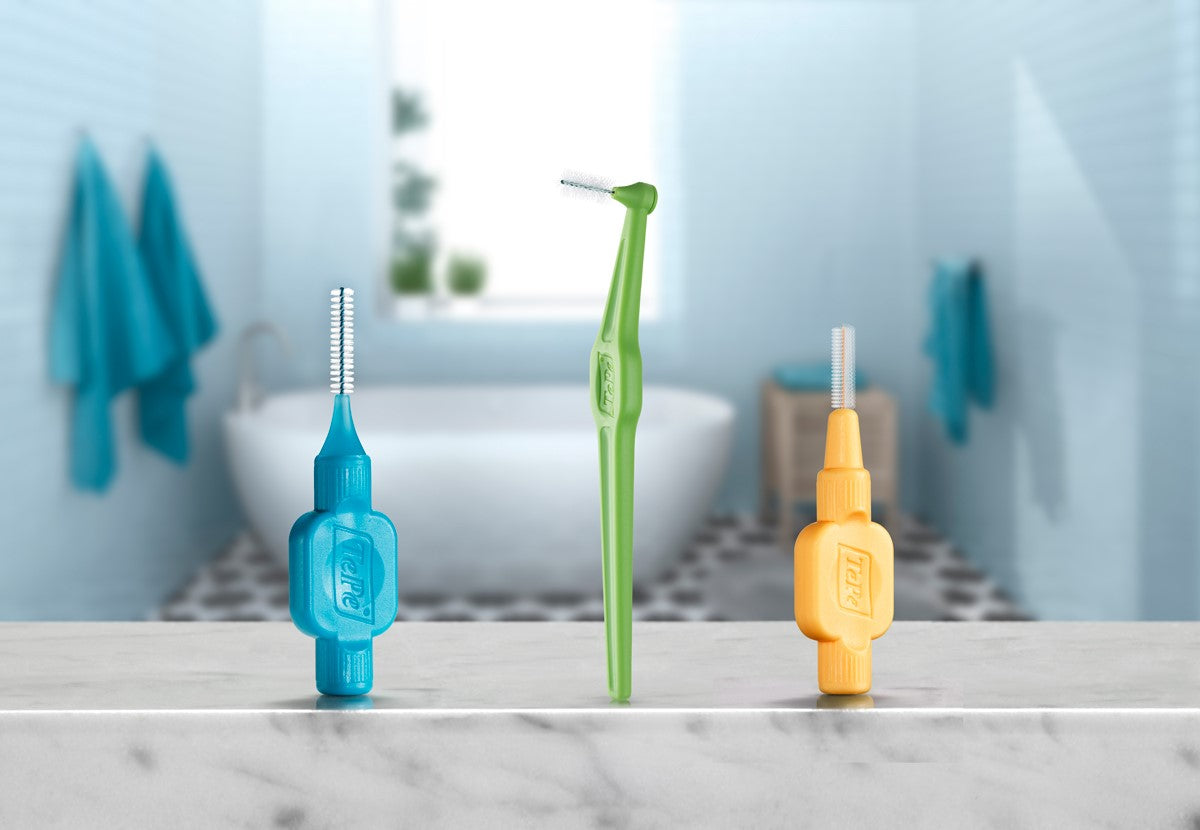
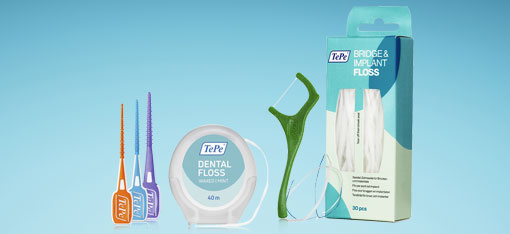
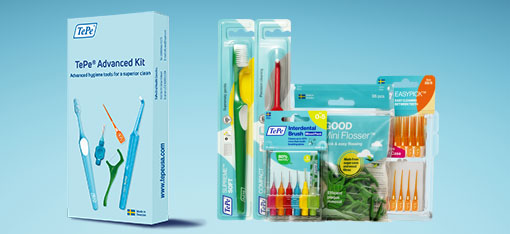
Products such as interdental brushes, TePe EasyPick™, TePe Compact Tuft™, and other specialty brushes can help clean around brackets, wires, attachments, and other difficult-to-reach areas. Keeping teeth and gums healthy during orthodontic treatment not only supports better oral health, but it can also contribute to a more successful treatment outcome.
While the teenage years are often an ideal time for treatment, orthodontic care can be successful in childhood, adolescence, and adulthood. Whether you're considering braces for your child or exploring clear aligners for yourself, the first step is a consultation with an orthodontist.
Remember: it's never too late to invest in a healthier smile.
References
- American Association of Orthodontists. Orthodontic Treatment for Children and Adults. Available from: https://aaoinfo.org
- American Dental Association. Braces and Orthodontics. Available from: https://www.mouthhealthy.org
Leave a comment